Our Story
”It all began with my grandmother who was once an expert of medicinal plants (Igqirha), when I asked her about some of the plants she once valued and used, she couldn’t remember some of them. This was a wake up call for me”- Sibulele Fili
Isiqhamo Sembewu Center was founded from a deep concern: that indigenous knowledge — especially knowledge about medicinal and indigenous plants — is slowly fading.
As elders pass on and memories fade, so too does the wisdom that once gave value to our plants, our land, and our identity. When knowledge is lost, the value of indigenous plants is lost. And when value is lost, biodiversity is no longer protected.
Isiqhamo Sembewu was created to interrupt that loss.
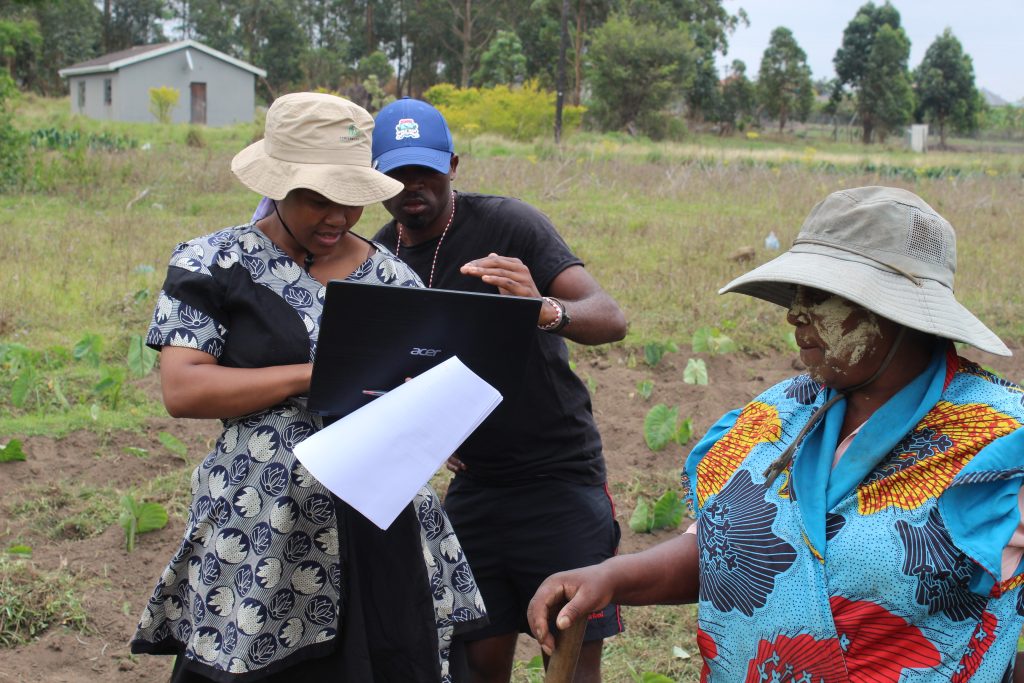
We exist to restore the connection between people and plants — to preserve indigenous knowledge, promote environmental education, and empower communities to see biodiversity not only as heritage, but as opportunity.
Our Mission
- To preserve and restore indigenous knowledge, promote environmental education, protect biodiversity, and empower communities through sustainable and green economic opportunities.
Our Vision
- A future where communities value, protect, and sustainably benefit from indigenous plants and biodiversity — ensuring that traditional knowledge and environmental stewardship are passed from generation to generation.
Key Features
We combine scientific research with indigenous practices to create innovative solutions for conservation and community development.
Our strategies prioritize community engagement and empowerment, ensuring that local voices are at the forefront of conservation efforts.
We offer educational resources and programs designed to raise awareness about the importance of biodiversity and conservation.
Our initiatives support the development of sustainable economic opportunities rooted in the use of indigenous plants.
We partner with academic institutions to conduct research that benefits both the community and the environment.
We ensure the ethical documentation of indigenous knowledge, recognizing the contributions of local knowledge holders as key to our mission.
Join Our Team
Dr. Thandi Ndaba
Director of Environmental Programs
Mr. Sipho Mkhize
Community Engagement Officer
Ms. Zanele Langa
Indigenous Knowledge Specialist
Dr. Khaya Qoboshiyane
Research Coordinator
Get Involved with Isiqhamo Sembewu
Become part of a transformative movement that champions plant conservation and sustainable livelihoods.